What Debts Are Discharged in Chapter 7 Bankruptcy? (Complete Guide)
Learn what debts can be eliminated in Chapter 7 bankruptcy, including credit cards, medical bills, and personal loans. Understand which debts are dischargeable and which debts may remain after filing.
Robert Durham
3/8/20262 min read
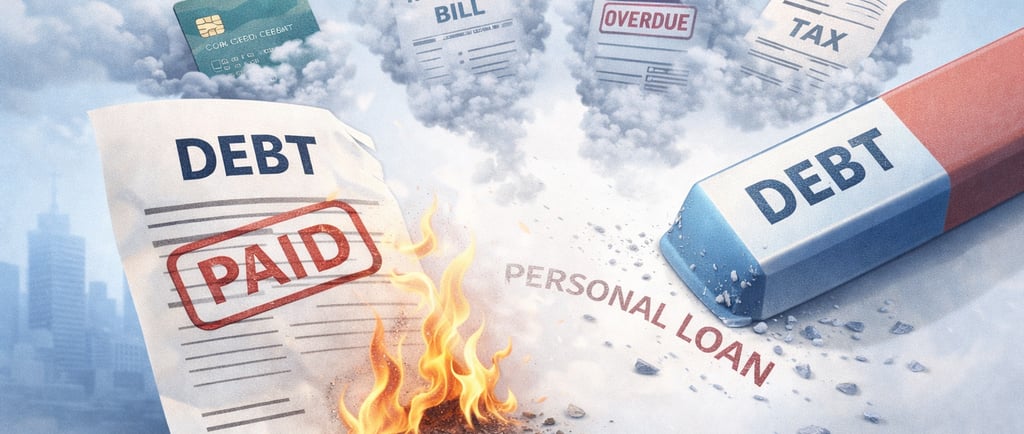
What Debts Are Discharged in Chapter 7 Bankruptcy?
If you are overwhelmed with debt and considering bankruptcy, one of the most important questions you may have is:
“What debts will Chapter 7 actually eliminate?”
Understanding which debts can be discharged — and which ones cannot — is critical before filing bankruptcy. Many people assume all debt disappears, but the reality is a bit more nuanced.
This guide explains what Chapter 7 bankruptcy can erase and what debts usually remain.
What Does “Discharged” Mean in Bankruptcy?
A discharge means you are no longer legally required to pay a debt.
When a debt is discharged in Chapter 7 bankruptcy:
• The creditor cannot collect from you
• Collection calls must stop
• Lawsuits for that debt are prohibited
• Wage garnishments related to that debt must stop
Once your discharge is granted, the debt is permanently eliminated.
Debts Commonly Discharged in Chapter 7 Bankruptcy
Chapter 7 is designed to eliminate unsecured debt. These are debts not backed by collateral like a house or car.
The most common debts discharged include:
Credit Card Debt
Credit cards are one of the biggest reasons people file Chapter 7. Most credit card balances can be completely wiped out.
Medical Bills
Unexpected medical expenses are a major cause of bankruptcy. These debts are typically dischargeable.
Personal Loans
Unsecured personal loans from banks, online lenders, or finance companies are often eliminated.
Payday Loans
High-interest payday loans are usually dischargeable.
Utility Bills
Past-due electric, gas, water, and phone bills may be discharged.
Old Lease Obligations
If you broke an apartment lease and owe money, that debt may be dischargeable.
Debts That Usually Cannot Be Discharged
Some debts are considered non-dischargeable under bankruptcy law.
These debts generally remain even after Chapter 7 is completed.
Student Loans
Student loans are very difficult to eliminate and usually require proving extreme hardship.
Child Support and Alimony
Domestic support obligations must still be paid.
Recent Tax Debt
Most recent income taxes cannot be discharged, although older taxes sometimes can.
Court Fines and Criminal Penalties
Government fines, restitution, and penalties typically remain.
Debts From Fraud
If a creditor proves fraud, that debt may not be discharged.
Secured Debts: House and Car Loans
Secured debts are treated differently.
These include:
• Mortgages
• Car loans
• Loans tied to property
Chapter 7 may eliminate your personal liability, but if you want to keep the property you usually must keep making payments.
Otherwise, the lender can repossess or foreclose.
How Long Does Chapter 7 Take?
One reason many people choose Chapter 7 is that it moves relatively quickly.
Most cases last about:
3 to 6 months from filing to discharge.
During that time, an automatic stay usually stops:
• lawsuits
• garnishments
• collection activity
Why Understanding This Before Filing Matters
Many bankruptcy mistakes happen before someone files, not during the process.
People sometimes:
• drain retirement accounts
• repay the wrong creditors
• transfer assets incorrectly
• wait too long to file
Understanding the system before filing can prevent costly errors.
Learn More About the Bankruptcy Process
If you are researching Chapter 7 bankruptcy and want a clear step-by-step breakdown of the process, you can learn more here:
👉 https://www.bankruptcy911.info
Our guide explains:
• how Chapter 7 works
• how to prepare before filing
• common mistakes people make
• key steps in the bankruptcy process
Newsletter
Copyright © 2026
Robert Vance Durham Jr.
All rights reserved.
No part of this book may be reproduced, distributed, or transmitted in any form or by any means—electronic or mechanical—without prior written permission of the author, except for brief quotations used in reviews.